Background
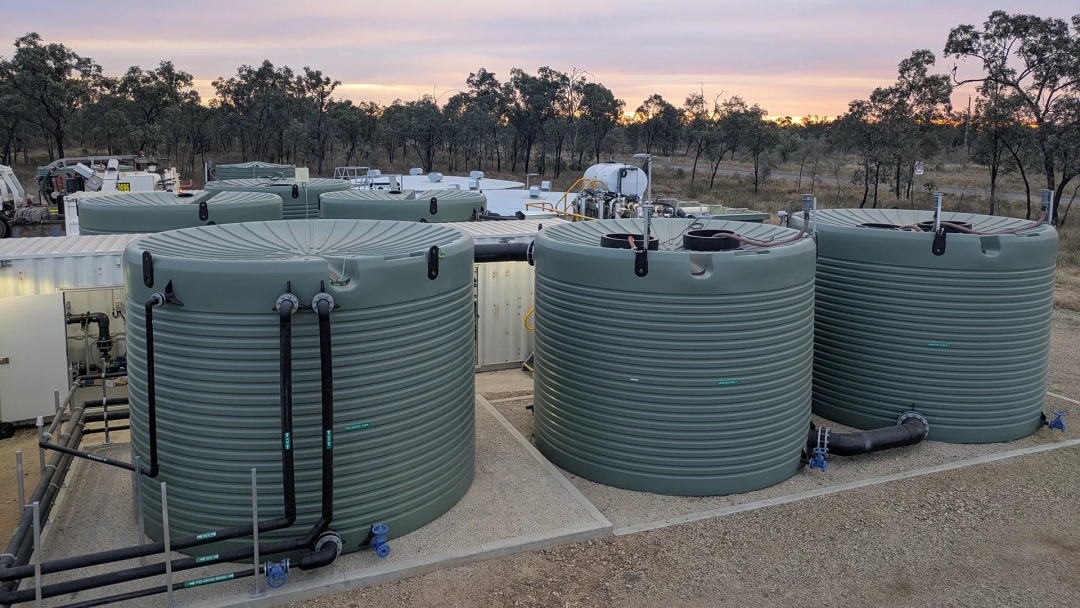
A mining client was experiencing potable water compliance issues because chlorine residuals in storage tanks across the mine site were not being consistently monitored or maintained. There was no established routine for checking the tanks or manually dosing chlorine when corrective action was required.
MAK Water was engaged to implement a practical site-wide monitoring and dosing service to improve control of potable water quality and support ongoing compliance.
Solution
MAK Water established an ongoing potable water chlorination service across all potable water tanks on site.
MAK Water Key Solutions
- Routine monitoring - testing chlorine residuals across potable water storage tanks to identify where corrective action is required
- Manual chlorine dosing - dosing tanks where results indicate chlorine levels need to be restored or maintained
- Verification testing - re-checking chlorine residuals after dosing to confirm the corrective action has been effective
- Site-wide records - documenting test results, dosing activities and follow-up actions to provide traceability
- Technical support - reviewing abnormal or recurring results and providing recommendations to improve ongoing potable water management
Results and benefits
- Improved compliance support - routine monitoring and corrective dosing help keep chlorine residuals controlled across the site.
- Consistent water quality - a managed process reduces the risk of tanks going unchecked for extended periods.
- Full-site coverage - all potable water tanks can be monitored and dosed under one coordinated service.
- Better traceability - documented testing and dosing records support site reporting and demonstrate ongoing control.
- Reduced site workload - MAK Water manages routine monitoring and dosing rather than relying on ad hoc manual intervention by site personnel.
Up next
Related projects
A global mining client required reliable operational coverage and technical support for water treatment plants at two remote North Queensland sites. The plants needed experienced personnel to manage day-to-day operations, complete water quality testing and sampling, maintain compliance documentation and work with local site teams to identify and deliver appropriate upgrades. MAK Water was engaged to provide a dependable, non-OEM operations model backed by engineering expertise.
Queensland
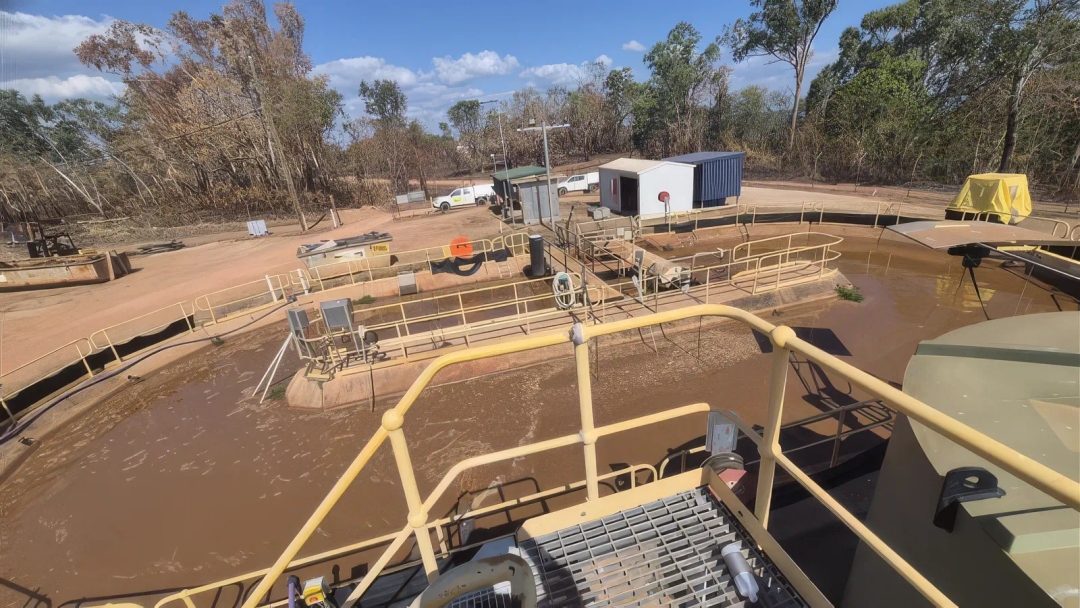
A long-term service client reached out to MAK Water to investigate dewatering options for their operation. A review of monthly sludge removal costs at five small sewerage treatment plants found costs were excessive. MAK Water collaborated with the client, designed a compact mobile dewatering screw press (DSP) and polymer preparation system (ASP) that can be towed to access each site. This innovative solution reduced the waste by volume without the need for individual units at each plant. The mobile DSP and ASP significantly lower sludge trucking costs, saving money and reducing environmental footprint. It is estimated that the cost savings will provide return on investment (ROI) on this unit within 18 months.
Pilbara, Western Australia
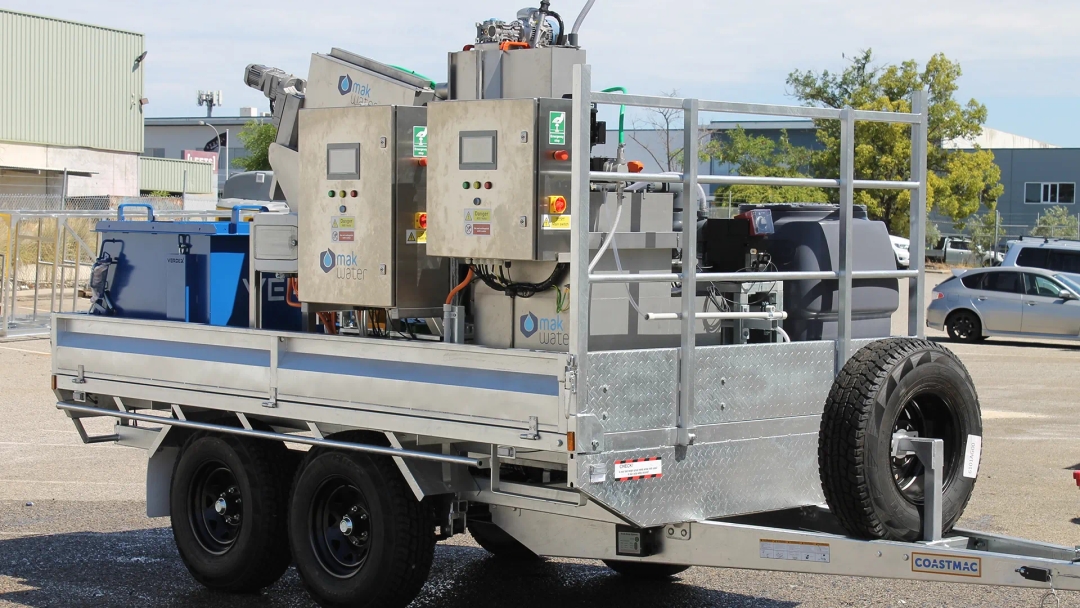
A Western Australian nickel mining operation had previously mothballed its ore processing plant during a downturn in commodity prices. As nickel demand and commodity pricing strengthened, the mine prepared to restart production and undertook a detailed audit of critical ore processing and water management equipment. During this assessment, the drive of one of the thickeners (concentrators) was identified as requiring major repair or complete replacement. Due to the age of the existing Dorr Oliver 109S2 drive, original equipment manufacturer (OEM) spare parts for the failed worm gear were no longer available, limiting the feasibility of a straightforward repair. The client considered two options, manufacturing a replacement worm gear to refurbish the existing drive (with the lift mechanism still in working order), or replacing the drive entirely, including the lift. This uncertainty introduced risk to the plant restart schedule, with potential impacts on downtime, maintenance costs, operational reliability and the long-term performance of the mine’s thickening processes.
Western Australia
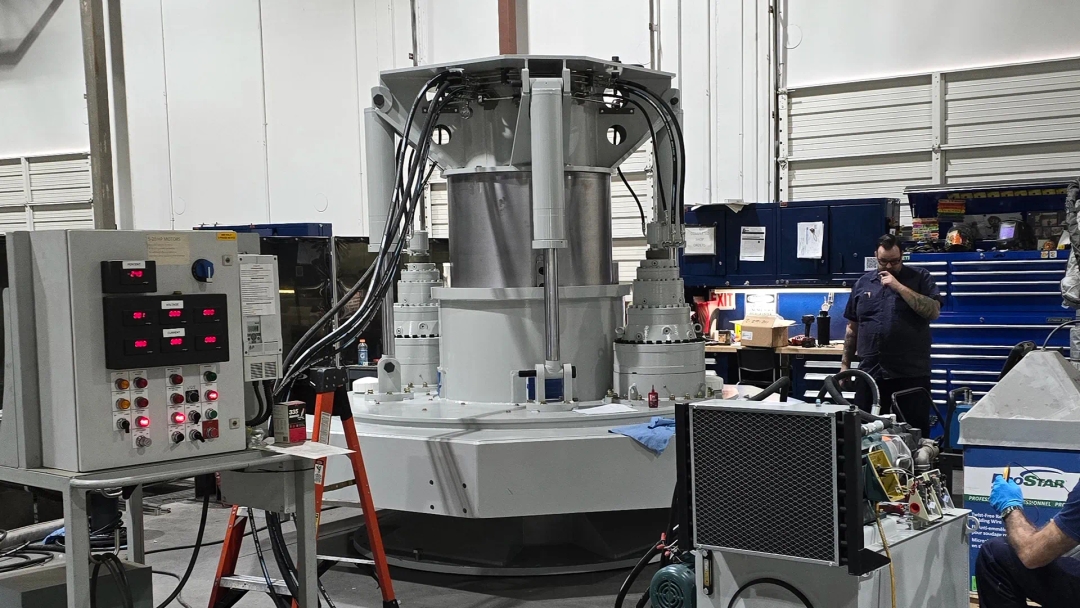
A remote mining project required a wastewater treatment plant capable of producing high‑quality treated effluent. The client previously relied on basic pond systems, which could not achieve the effluent quality needed for reuse. Diminishing bore reserves also meant the site had no reliable water source for its gold elutions process. This created significant operational challenges including increased costs, schedule delays, and negative sustainability impacts due to ongoing reliance on water carting. The client designated the project as essential for achieving strategic objectives.
Western Australia
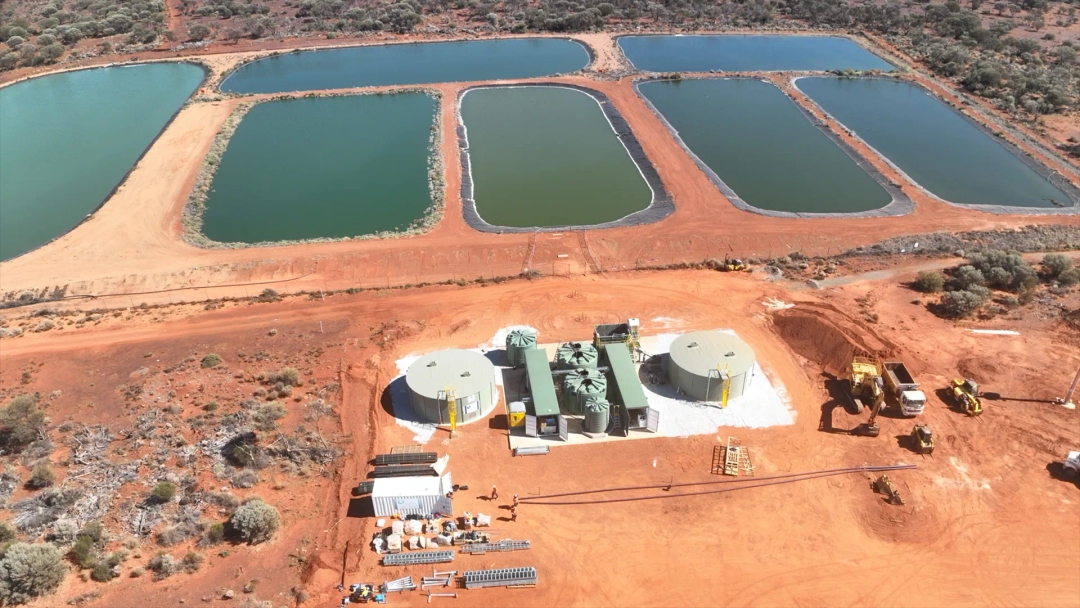
A contractor on behalf of a Queensland coal mine, required urgent support to ensure continued operation of the Water Treatment Plant (WTP). The client sought experienced operators who could be inducted and deployed within a short timeframe to prevent potential downtime and the risk of non-compliant water discharge. With a turnaround requirement of 30 days, MAK Water was engaged to provide the necessary workforce and expertise to maintain operations of the WTP.
Blackwater, Queensland
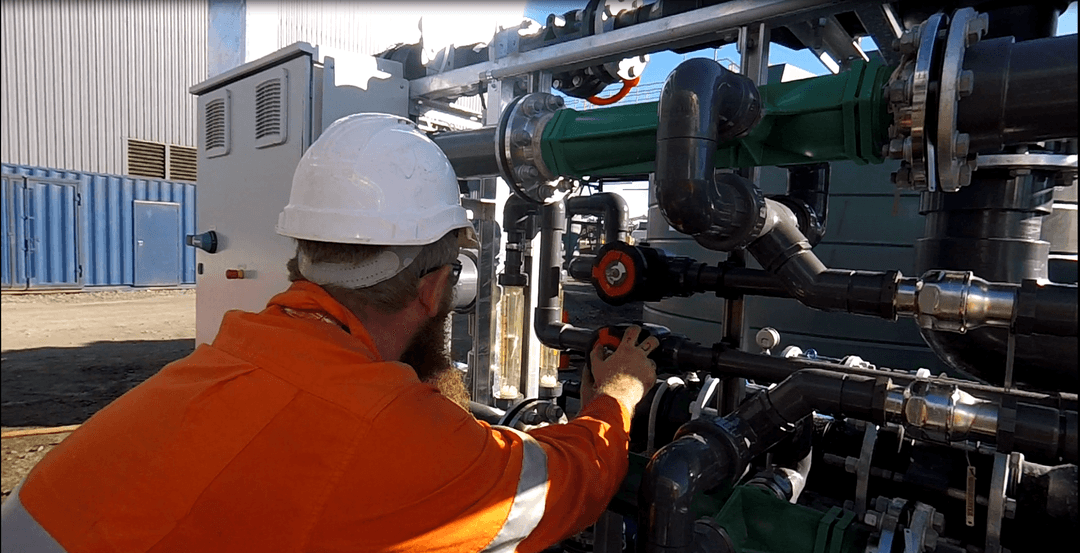
A large mining company operating in a remote location with no existing sewage or wastewater infrastructure needed a fit for purpose treatment system. Due to the remoteness of the site and the challenges posed by seasonal heavy rainfall, constructing an in-situ plant was not feasible. Additionally, access roads in and out of the site are subject to flooding, so the plant required a robust, reliable design that minimised waste streams for off-site disposal.
New South Wales