If your Dissolved Air Flotation (DAF) plant shows cloudy effluent, rising chemical use or frequent breakdowns, you’re bleeding cash.
When a DAF system underperforms, you pay twice - once in chemicals and energy, and again in downtime and compliance risk. The classic warning signs are declining effluent quality, increased chemical consumption, excessive sludge, frequent breakdowns, and difficulty meeting discharge limits. Treat these as early alerts that optimisation or servicing is due.
What is DAF, and Why is it so Effective?
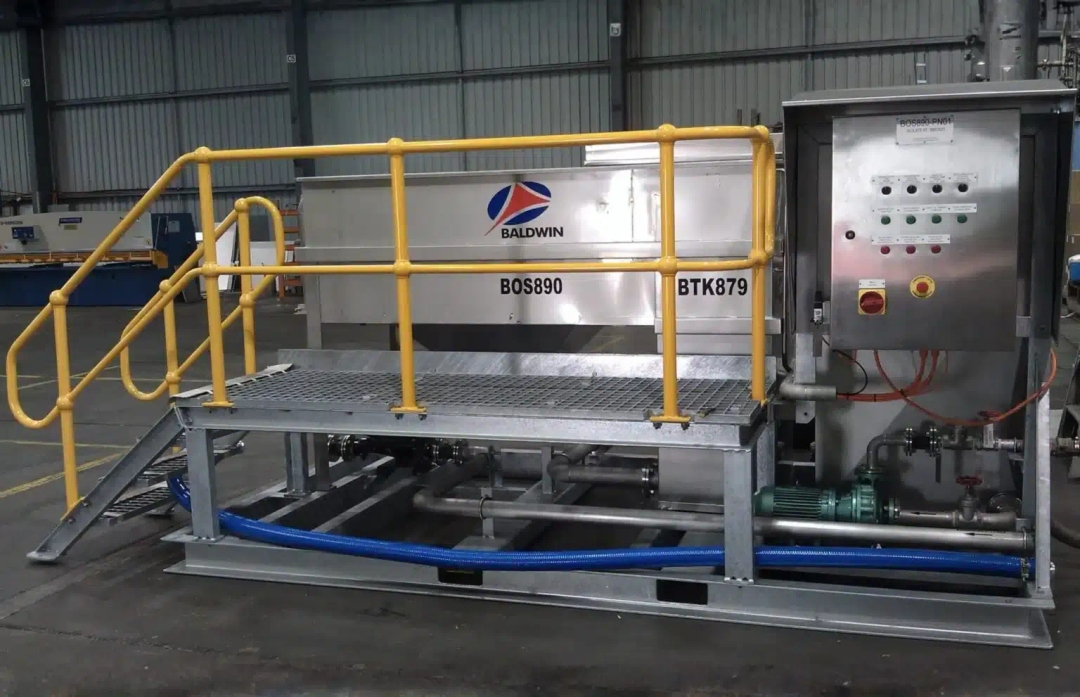
DAF is a compact clarification technology that removes suspended solids, fats, oils and grease (FOG) and lighter hydrocarbons.
The process mixes pressurised air‑saturated water with flocculated influent; when pressure is released, microbubbles attach to contaminants, lifting them to the surface for skimming while clarified water exits via an under/over‑weir.
The Problems DAF Operators See Most (and What Causes Them)
- Poor flotation / cloudy effluent — typically due to low air dissolution, incorrect coagulant/flocculant dosing, or clogged nozzles/diffusers that disrupt microbubble formation and attachment.
- Excessive foaming — common with surfactants or high organics, or when air injection is mis‑set; foam interferes with skimming and reduces separation efficiency.
- Sludge removal issues — worn skimmer blades, mis‑set scraper speeds or clogged discharge pathways leave sludge on the surface or in the tank, reducing capacity and spiking turbidity.
- Chemical imbalance — weak or unstable floc forms when pH, dose or mixing are off, driving chemical costs up and performance down; jar testing and pH control often unlock quick wins.
- Mechanical wear and tear — pumps, bearings, compressors and valves degrade, causing leaks, pressure instability and unplanned outages—especially on older systems or those with obsolete parts
Quick Checks That Save Money
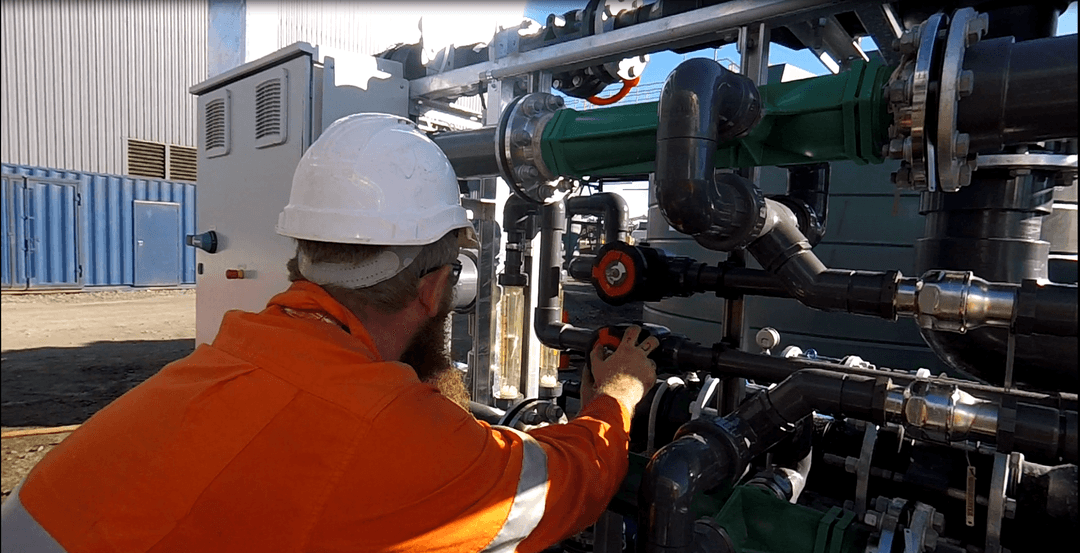
- Confirm “whitewater”. If the recycle pump isn’t producing milky whitewater, verify the pump is running, air supply is present (check valves), back‑pressure is correct, and diffusers are clear.
- Re‑optimise chemistry. Run jar tests at site pH; dose timing and polymer selection matter as much as dose size—field‑validate lab picks.
- Declutter hydraulics. Clean inlets, pipes and tanks; add upstream screening or traps to reduce recurring blockages and turbulence.
Standard DAF Maintenance Checklist
Weekly
- Dissolved air system: Listen for abnormal pump noise; check air-to-water ratio. Drain moisture from air filters weekly.
- Skimming system: Check scraper blades for even sludge removal; adjust speed/angle. Lubricate moving parts.
- Chemical dosing: Ensure chemical tanks are full; inspect pumps and lines for blockages.
- Pressure & flow: Monitor saturation tank pressure and flow within spec.
- Effluent quality: Visually check clarity; note any cloudiness or floating solids.
Monthly
- Tank cleaning: Drain and clean tank to prevent sludge build-up.
- Sensor calibration: Calibrate pH probes, flow meters, and other instruments.
- Lubrication: Grease bearings on skimmers and rotating equipment.
- Chemical lines: Flush dosing lines to prevent crystallisation.
Annual Shutdown
- System inspection: Check all components for corrosion, wear, and mechanical issues.
- Pipework cleaning: Clean all pipework to remove fouling.
- Part replacement: Replace worn parts to avoid failures.
- Calibration: Recalibrate all instruments and controllers.
FAQs
How often should I service my DAF?
Intervals depend on duty and influent variability, but planned maintenance plus 24/7 breakdown support consistently lowers lifecycle cost and risk.
Why is the effluent still cloudy after dosing?
Check air dissolution, release points and chemical programme. A short optimisation visit (air, pH, polymer selection/timing) typically restores performance.
Can MAK Water service non‑MAK systems?
Yes. Our agreements cover all plants with national coverage and rapid response.
How do I know whether to repair or replace my DAF?
If failures are frequent, chemicals/energy rise, compliance is inconsistent or parts are obsolete, we’ll help assess ROI on upgrades vs replacement.
How can MAK Water help?
- Service agreements tailored to your DAF plant: predictive, planned and emergency maintenance with national reach and 24/7 support.
- Genuine parts & chemical supply to keep critical DAF components performing and compliance steady.
- Process audits, training & remote monitoring to lock in performance and reduce call‑outs.
- Upgrades & refurbishments that extend asset life and improve reliability—without disrupting operations.
Related projects
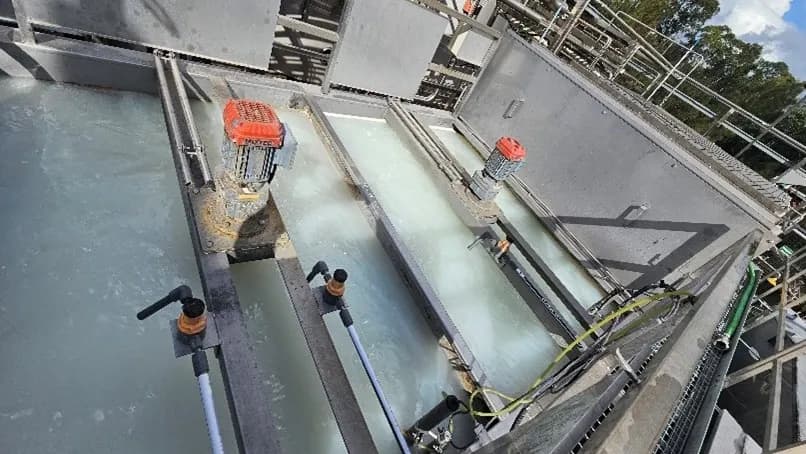
DAF Audit for Food and Beverage Site
Erskine Park, New South Wales
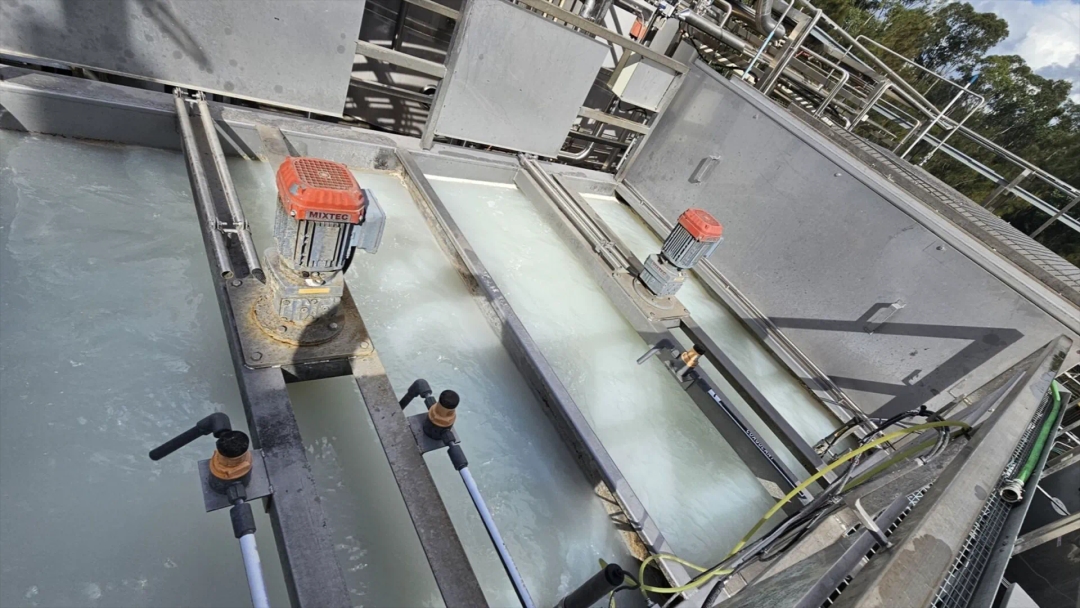
High Efficiency DAF Technology for Chicken Processor
Perth, Western Australia
Up next