Background
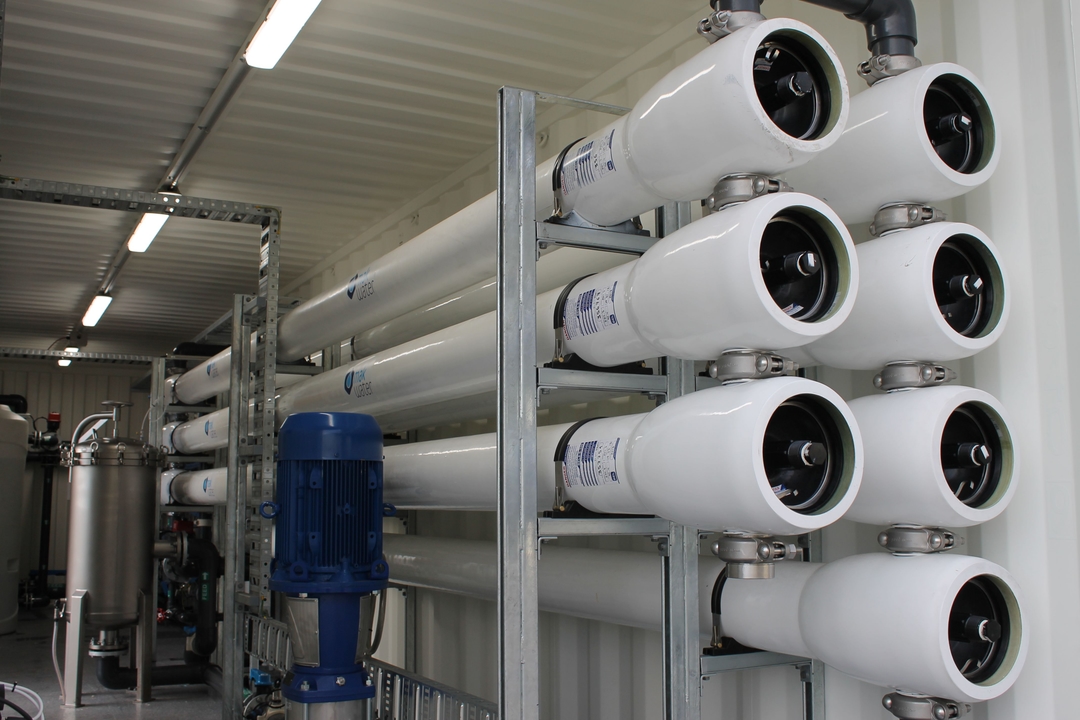
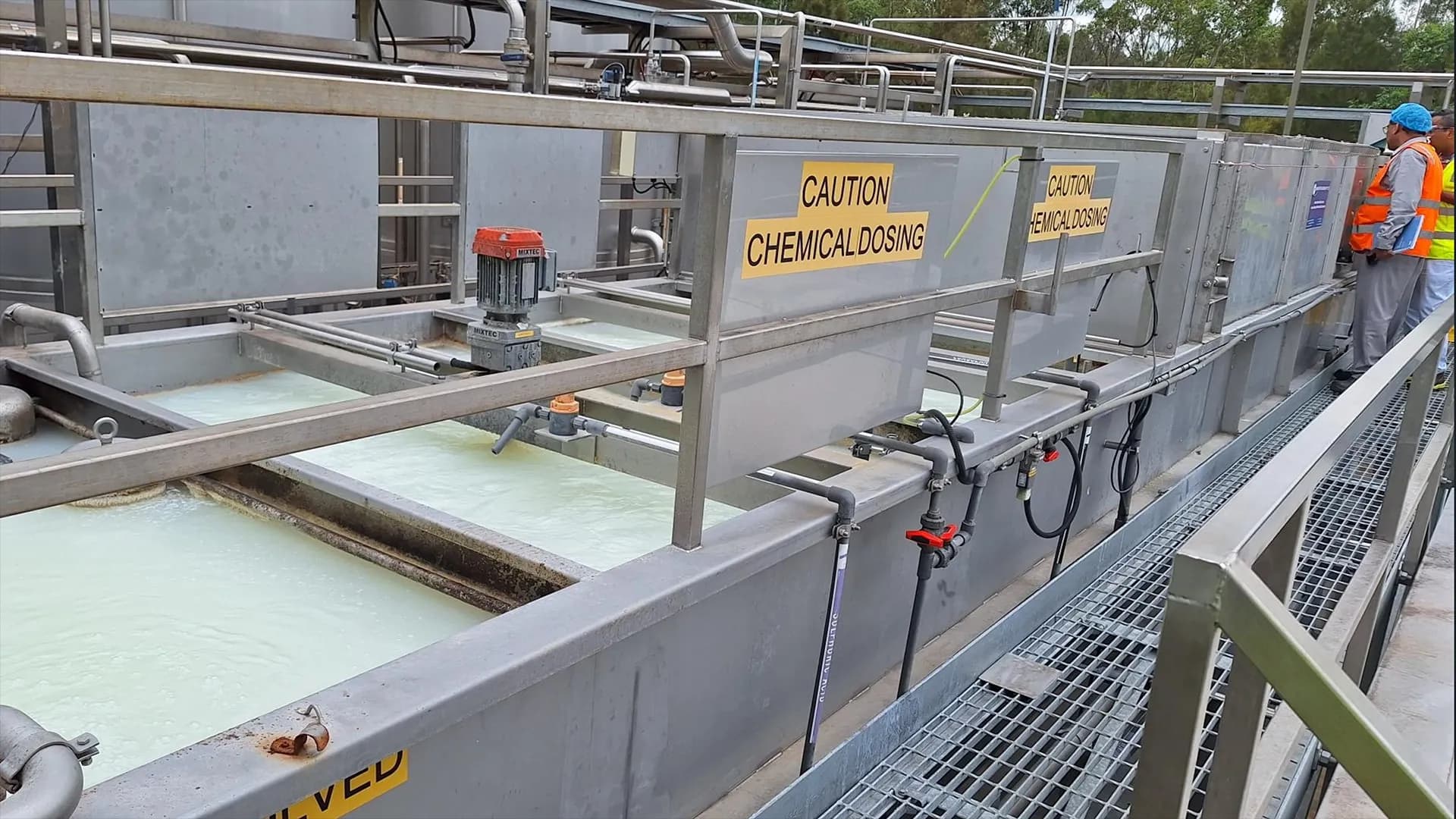
A Food and Beverage client operates a 40 m³/h co‑current Dissolved Air Flotation (DAF) system to meet Sydney Water discharge standards.
MAK Water was engaged to perform a two‑day on‑site audit to assess asset condition, verify chemical dosing practice, identify failure risks, and recommend actions to restore full operational reliability and reduce operating costs.
Solution
MAK Water delivered a structured DAF audit and prioritised action plan.
MAK Water Key Solutions
- Full asset condition assessment across pumps, valves, saturator, scraper assembly, chain and sprockets, pipework, tanks, instrumentation, and electrical systems with condition and criticality scoring
- Chemical optimisation based on jar testing and field data to align polymer and coagulant dosing with actual process needs
- Targeted mechanical interventions including monthly inspection and cleaning of the critical recycle pump service/rebuild recommendations
- Instrumentation program to clean, calibrate or replace turbidity and pH probes and to inspect/replace pressure gauges
- Strategic recommendation to evaluate a sludge dewatering solution to reduce long term disposal costs.
Results and benefits
- Chemical cost reduction — stepwise polymer and coagulant dose reductions expected to deliver savings of around $300,000 per year; polymer usage could fall by up to ~80% toward target dosing
- Improved process control — calibrated turbidity and pH probes prevent overdosing and stabilise effluent quality
- Reduced downtime risk — monthly inspection and spares plus servicing of worn pumps reduce the chance of a flotation failure
- Lower sludge volumes — optimised chemical dosing reduces sludge generation; dewatering would further cut disposal costs.
Up next
Related projects
High Efficiency DAF Technology for Chicken Processor
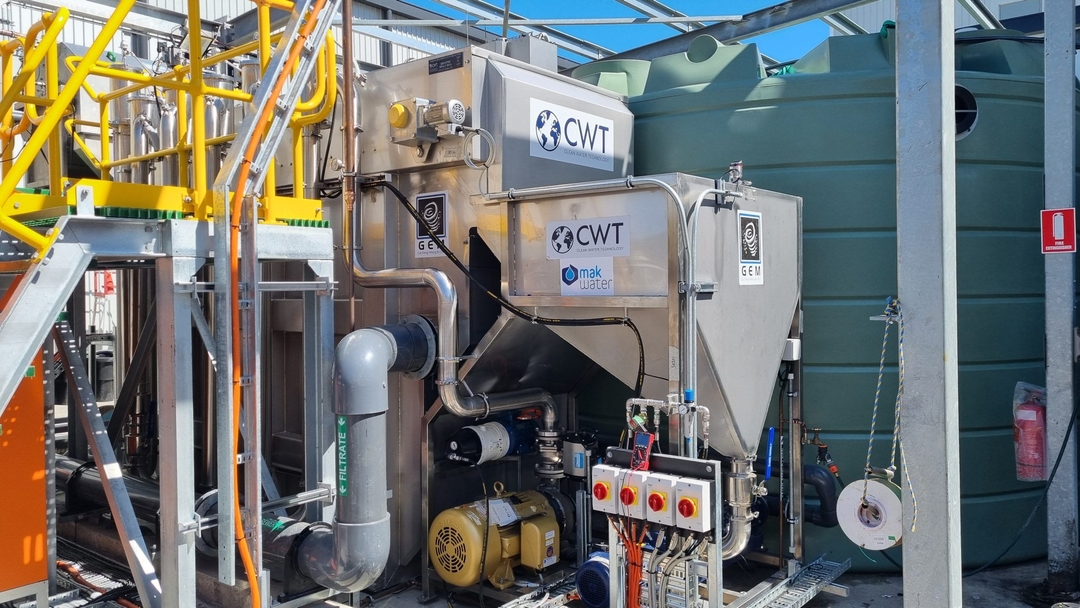
A chicken processing facility was facing serious wastewater treatment and sludge handling challenges at its Perth site. Its undersized and underperforming system was no longer sustainable, causing a health & safety hazard and an odorous working environment. The poor performance of the wastewater system was affecting production capacity and site restrictions limited space for a new plant. The customer engaged MAK Water in an extended consultation process, looking for improved flotation and flocculation technology. Clean Water Technology’s (Gas Energy Mixing) GEM® system is an innovative and patented approach to wastewater treatment. This superior flocculation and floatation system delivers results significantly better than conventional Dissolved Air Floatation (DAF) and alternative wastewater treatment technologies. The GEM-DAF System removes higher levels of contaminants than conventional DAF systems, using less chemicals, while generating significantly drier sludge. A GEM-DAF System footprint can be over 50% smaller than a typical DAF of similar capacity. The GEM System uses unique hydro-cyclone technology in the Liquid, Solid, Gas Mixing Heads (LSGM) In these heads, chemistry is injected, and air is dissolved into 100% of the wastewater stream while creating a vortex. The random flocculation and flotation process of a DAF system becomes a managed process in the GEM System resulting in the removal of more contaminants and drier sludge.
Perth, Western Australia
Wastewater Recycling for Chicken Processor
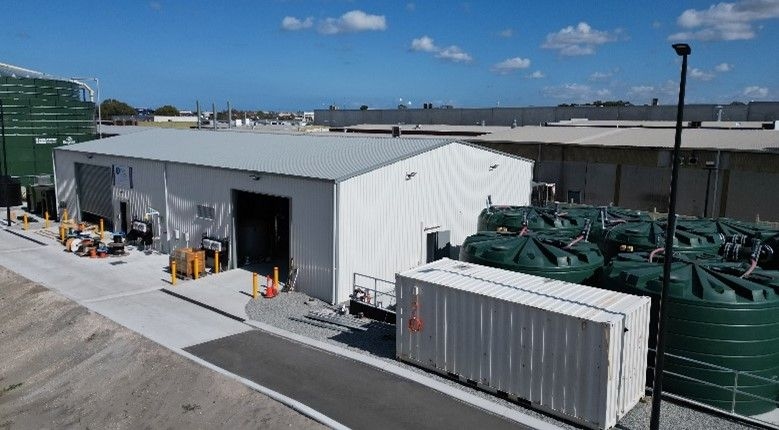
The Perth facility of a major national chicken processing & food manufacturing business was restricted from increasing production capacity due to trade wastewater discharge restrictions set by their local authority, and odour issues from the local community. The site, which processes around 40,000 chickens per day, uses over 1.6ML/day for various processing and cleaning operations. There were several drivers for this large, publicly significant project, including; • Sustainability - Recycling water enables increased production with lower environmental impact. • Odour – Underperformance of existing tradewaste treatment system led to community impacts the new system had to correct. • Compliance - Limit on discharge to sewer (max 15L/s) was restricting ability to expand production. • Operating cost reduction – improving waste discharge reduces costs and water recycling reduces potable water costs. If the site could not improve the wastewater treatment facilities to deal with these challenges it would have to close and relocate the entire processing plant at a cost of hundreds of millions of dollars. Management elected to build a new plant rather than upgrade the existing to limit downtime and extend plant life. Treatment was primarily targeting BOD & TSS to limit the load the public sewage treatment system, and lower disposal costs. As well as improving the quality of their effluent for discharge, the customer was also looking for water recycling solutions to reduce their significant scheme water consumption, environmental impact and associated costs.
Perth, Western Australia
Dual Waste Treatment Plant for Meat Processor
A major new meat processing facility was being developed for a regional town in South Australia. However, the existing STP did not have capacity to accommodate the expected increase of 1,000 EP. MAK Water was invited to participate in a competitive tender to design, manufacture and commission a new Sewage Treatment Plant in a short time frame to produce Class A effluent suitable for fodder crop irrigation.
South Australia
Dewatering Screw Press Trial for Dairy Products Manufacturer
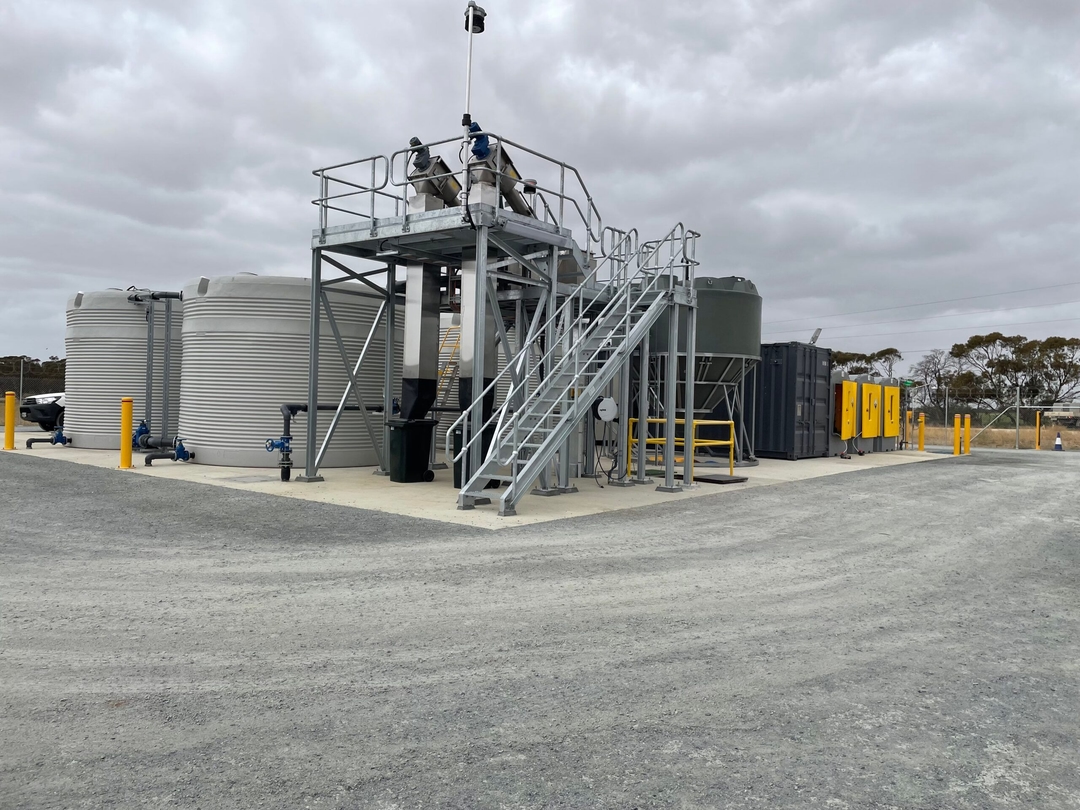
A dairy products manufacturer in New South Wales had a wastewater treatment plant consisting of a Moving Bed Bioreactor (MBBR), Induced Air Floatation (IAF) and Dewatering Screw Press (DSP). Their DSP was supplied by another company. The customer approached MAK Water as, despite their existing DSP, they still had high Biological Oxygen Demand (BOD) in their effluent water. It wasn’t coping with the sludge volume, yielding low dry solids (14% DS) and high filtrate Total Suspended Solids (TSS). This poor effluent is cycled back to their MBBR at the start of their process, further compounding the problem of elevated BODs, causing compliance issues. Disposal costs were high and increasing due to the low %DS in their dewatered cake.
New South Wales

Sludge Dewatering for Health Food Company
A major health food company, which was going through substantial growth in production, experienced capacity problems in their wastewater treatment system. This included the handling of waste activated sludge (WAS) solids from their lagoon-based activated sludge biological process. The site was using a belt filter press for dewatering the WAS, which had become undersized for the increased capacity requirements, and demanded frequent operator input for effective operation. Management of the dewatered cake was also labour intensive and unsuitable for the increased sludge quantities, leading to increased operating costs. The company commissioned MAK Water to conduct a 2-week sludge dewatering trial using our Dewatering Screw Press (DSP) pilot plant, to assess the suitability of this technology, and to determine the capacity and performance of a full-scale DSP and expected polymer consumption. This trial was successful, and the customer subsequently ordered the largest model, the DSP-403.
New South Wales
Oyster Farm Wash Water Recycling
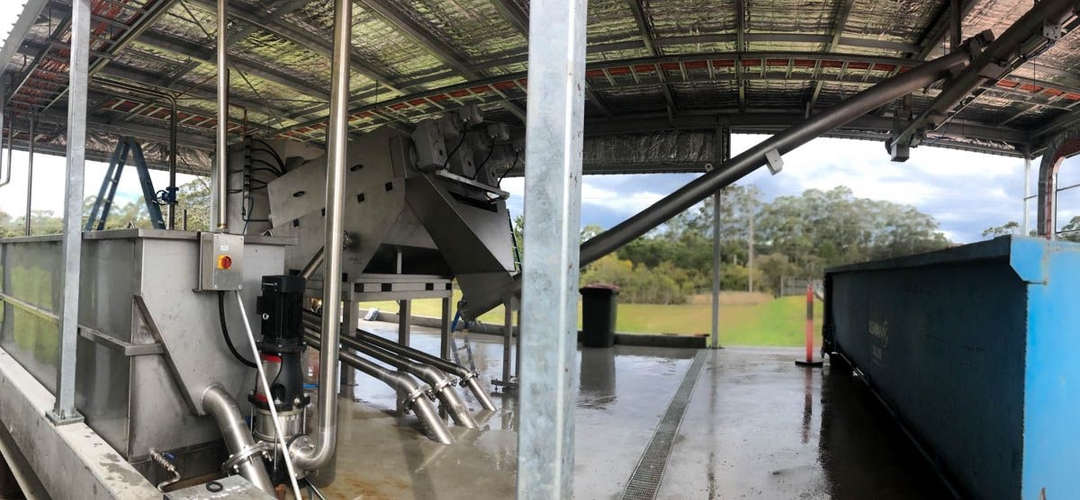
One of the largest producers of Oysters on the south coast of NSW was using a large volume of potable water for the washing and shucking of their Oysters. This water made just a single pass over the Oysters before it made its way to sewer. To reduce water consumption and minimise impact on the environment, the customer decided they wanted to recycle this water back to the front of their process. To achieve this, they needed a system that could remove sediment from the wastewater and provide protection from bacterial build up.
New South Wales