Background
The Lombrum Joint Initiative involves significant upgrades to the Lombrum Naval Base located on Manus Island in Papua New Guinea (PNG). The project, which was officially launched in August 2025, stands as Australia’s biggest security infrastructure undertaking in the Pacific region.
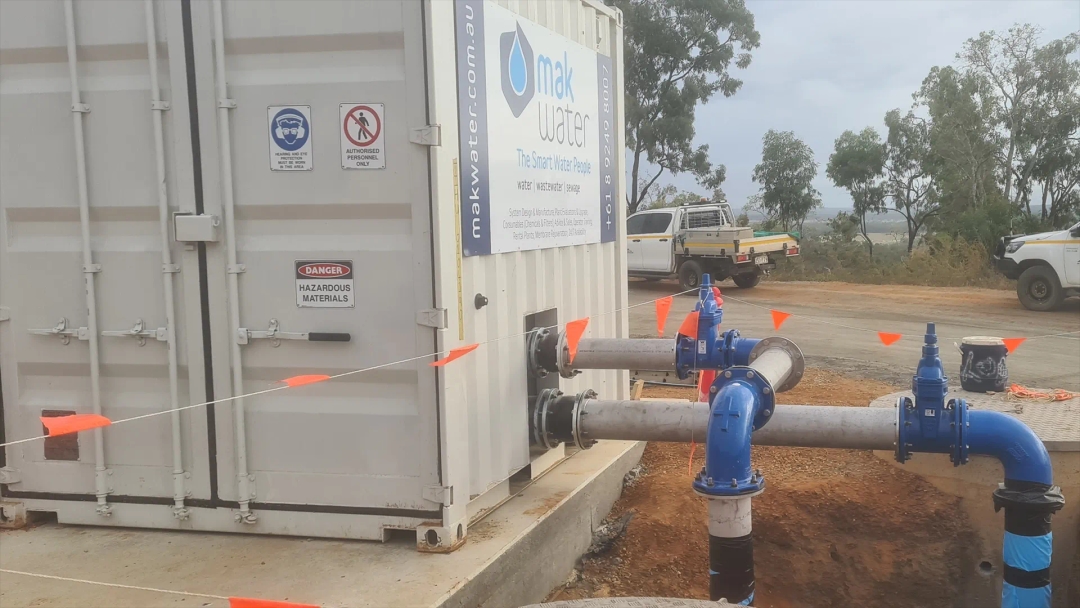
MAK Water was engaged early in the design phase by the ADF consultant to develop a robust potable water treatment solution capable of operating in a harsh tropical environment with highly variable raw water quality due to an uncontrolled catchment and extreme rainfall. Without a reliable system, the client faced risks to operational continuity, increased costs, and compliance challenges associated with water quality and system resilience.
Solution
MAK Water drew on over 20 years’ experience to design a robust water treatment solution capable to producing potable water in a harsh operating environment with variable raw water quality attributed to an uncontrolled catchment in a tropical high rainfall area. After a competitive tender process, MAK Water was selected due to its involvement in the design and proven track record delivering robust modular potable water treatment plants to remote areas.
MAK Water Key Solutions
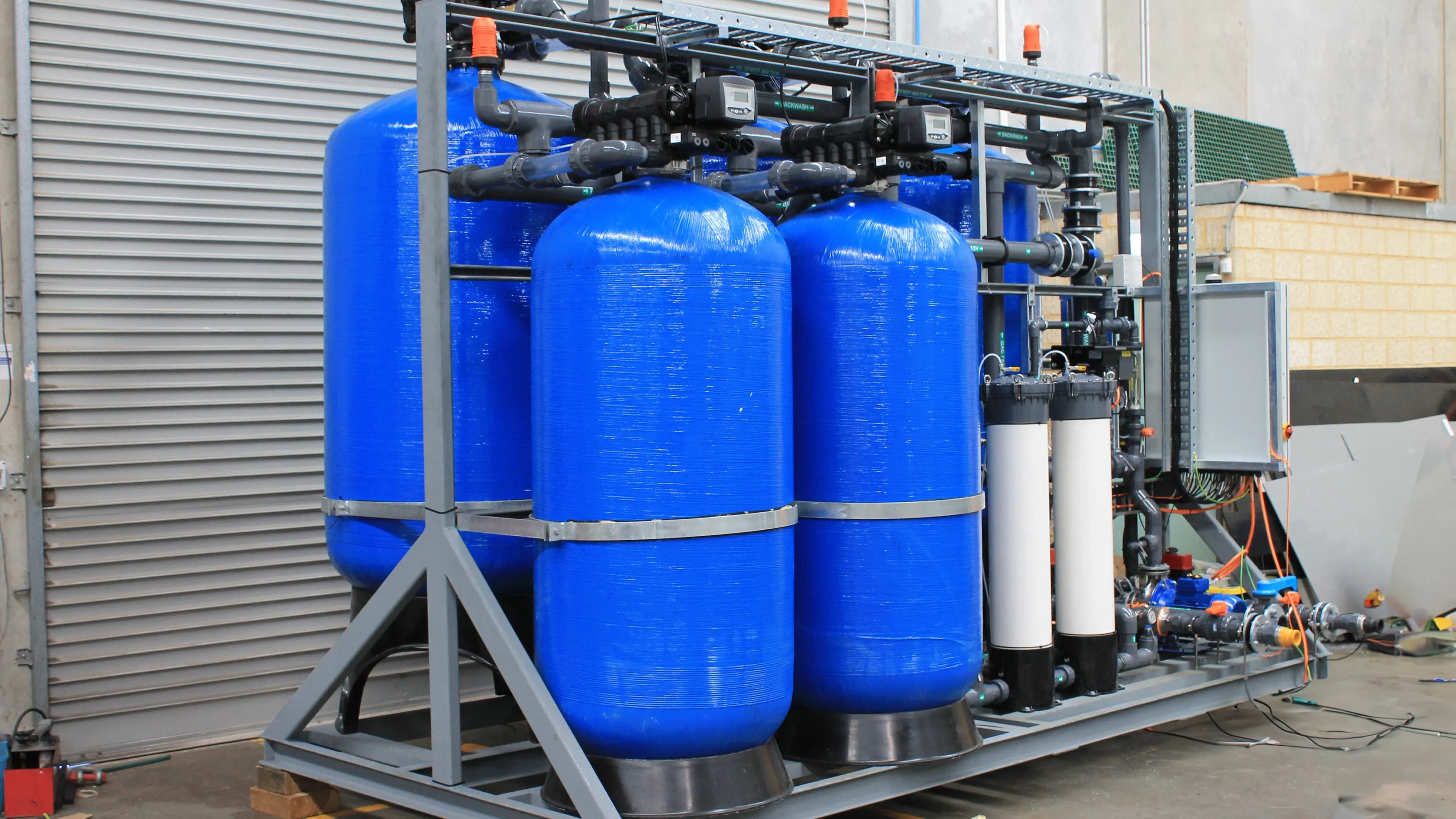
- Lamella clarifier, multimedia filtration, granular activated carbon, UV and chemical disinfection.
- Calcium hypochlorite makeup plant eliminating the need for liquid hypochlorite, which degrades in extreme heat.
- Polymer makeup skids to reduce the requirement to transport bulk liquids to site.
- Two 100% treatment trains providing full redundancy
- Remote access with premium‑grade instrumentation for optimised monitoring and performance insights.
- AS1210‑compliant to meet long‑term project design life
- Participation in Hazard & Operability Study (HAZOP) and Safety in Design (SID) processes.
- Formal on‑site training delivered for local operators.
- Completion of proof‑of‑performance testing
Results and benefits
- Sustainability. Reliable potable water system designed for extreme tropical conditions, ensuring long‑term environmental and operational resilience.
- Operational reliability. Dual treatment trains and premium instrumentation enabled continuous uptime, reducing risk to defence operations.
- Cost efficiency. Reduced chemical transport needs and improved system durability lowered ongoing operational costs.
- Compliance assurance. Advanced treatment processes and proof‑of‑performance testing ensured compliance with stringent defence water quality standards.
Up next
Related projects
A defence contractor required the reliable generation of military specification ultra pure water to support nuclear powered submarines while berthed at Garden Island in Western Australia. Previously, submarines were required to move offshore to generate demineralised water, resulting in significant operational inefficiencies. These offshore movements were time consuming and costly, increased logistical complexity, and reduced shore leave opportunities for military personnel. The client sought a secure, compliant and locally supported water treatment solution that would allow submarines to remain alongside for maintenance while still meeting stringent water quality requirements.
Garden Island, Western Australia
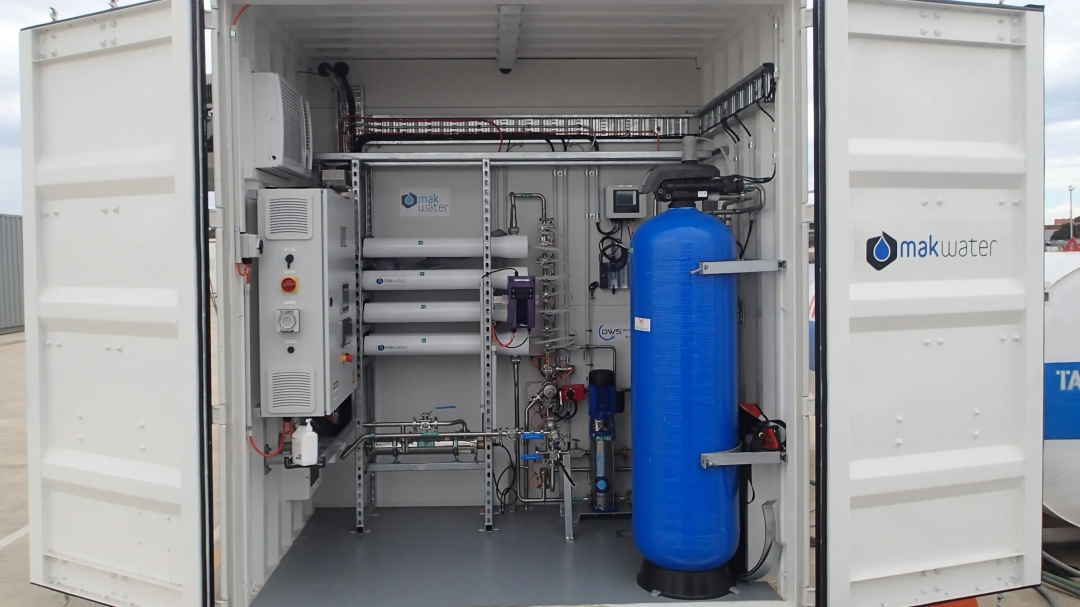
The Lombrum Joint Initiative is a major redevelopment of the Lombrum Naval Base on Manus Island, Papua New Guinea (PNG). Officially opened in August 2025, it represents Australia’s largest security infrastructure project in the Pacific. As part of this national defence strategy, MAK Water was engaged to design and build a water treatment plant to supply the base. While the main plant was under construction, the client required a rapid deployment solution to ensure a reliable potable water supply, with the Pacific Ocean identified as the most dependable source. The lack of an interim water solution posed risks to operational readiness, project timelines, and compliance with essential water quality standards.
Manus Island
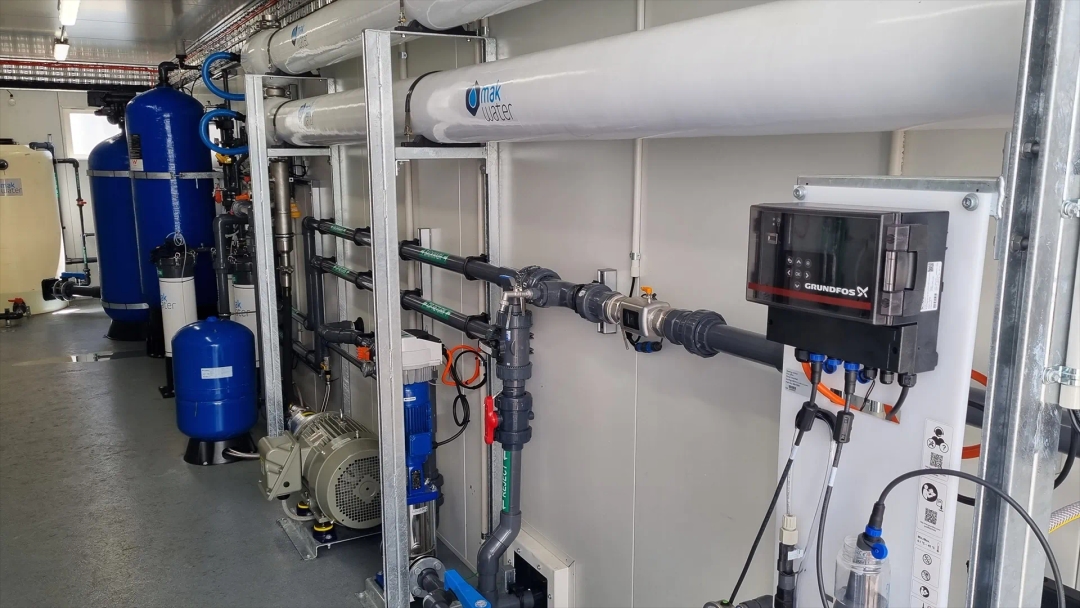
Defence facilities are often located in extremely remote regions for safety and security reasons, creating unique challenges for essential services such as potable water supply. At one Department of Defence (DoD) field training site, the existing water treatment plant (WTP) was no longer able to meet potable water standards in accordance with the Australian Drinking Water Guidelines (ADWG). With no surface water available, the site relied solely on bore water containing dissolved iron concentrations well above ADWG limits. The harsh desert climate, with high summer temperatures and low overnight winter temperatures, further impacted system performance, reliability, and sustainability.
Timber Creek, Northern Territory
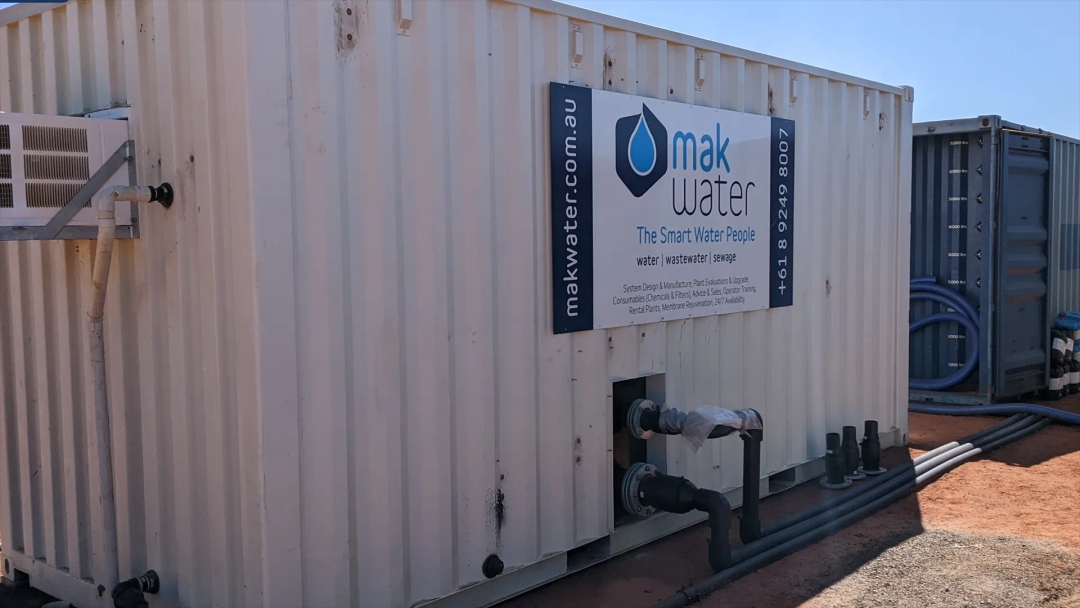
This end‑of‑life water infrastructure renewal project required a new chlorination dosing system designed for an existing 500kL concrete water tower. As the asset deteriorated, the existing disinfection and dosing equipment could no longer reliably maintain stable chlorine levels, increasing the risk of non‑compliance with the Australian Drinking Water Guidelines (ADWG). Without renewal, the client faced escalating compliance risk, reduced system reliability and sustainability concerns due to inefficiencies in chemical use, energy consumption and asset performance.
Singleton, New South Wales
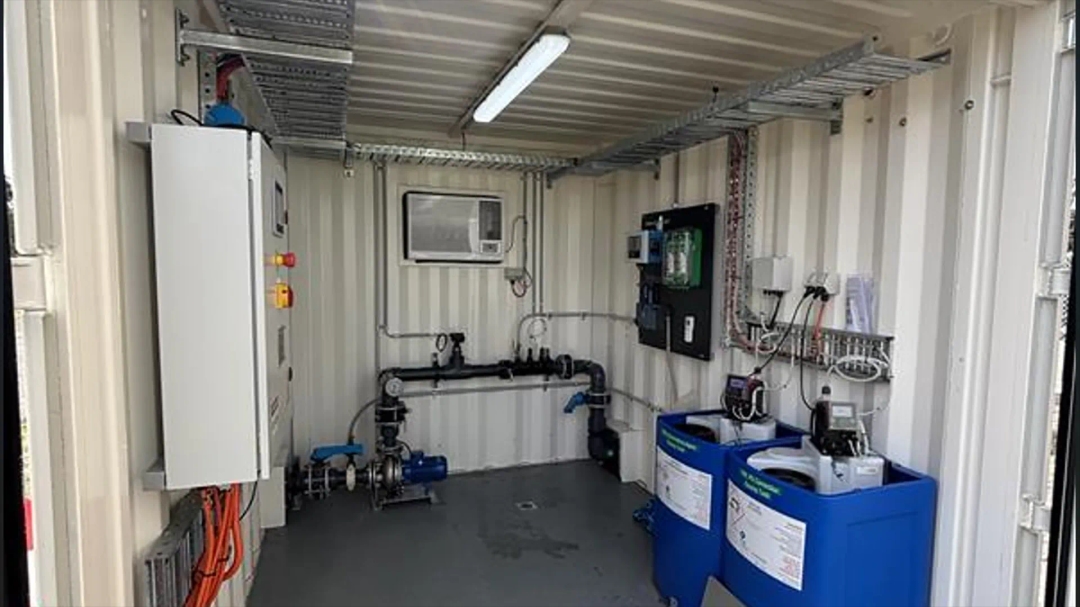
Our client was experiencing significant operational challenges due to turbidity spikes in river water extraction during heavy rainfall events. The existing water treatment plant (WTP) was unable to operate under high turbidity conditions, resulting in frequent shutdowns that disrupted site operations. These shutdowns increased operational costs, reduced productivity, and posed compliance and sustainability risks by limiting access to reliable, treated water during critical periods.
Puckapunyal, Victoria
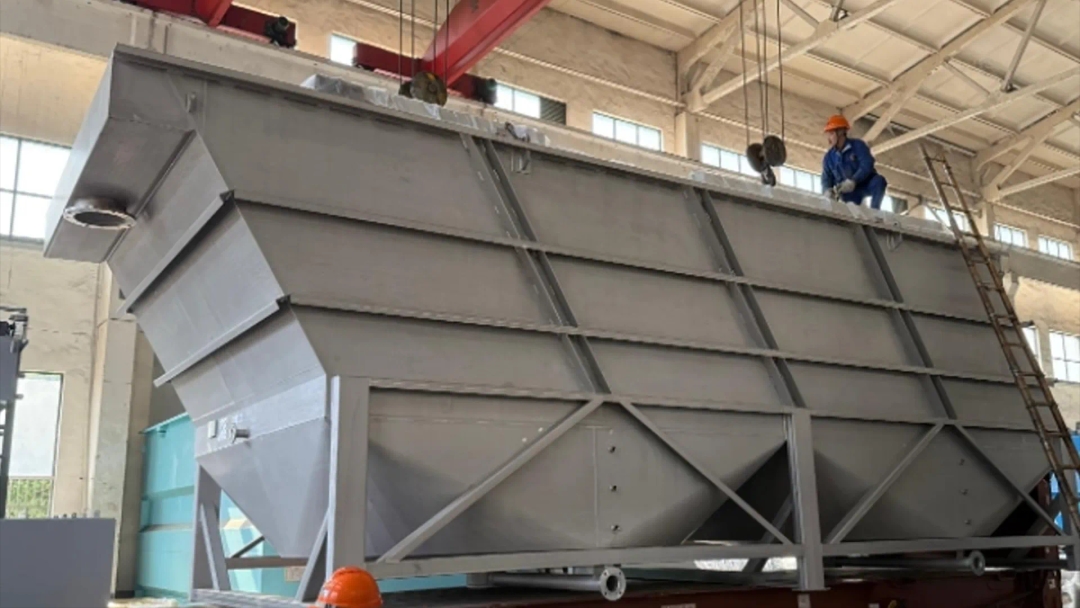
The client, a civil construction company delivering works for the Australia Singapore Military Training Initiative (ASMTI), required a reliable potable water solution for the Australian Defence Force (ADF). The ADF needed a consistent supply of potable water that could be safely stored and maintained within specification. Without an onsite solution, the ADF would incur significant ongoing costs transporting potable water to site, while also increasing safety risks associated with vehicle movements during training exercises. MAK Water was selected to design and manufacture a reliable solution to treat the source water, which required additional disinfection. Our team worked closely with the client to design a fit for purpose solution that complies with the Australian Drinking Water Guidelines (ADWG).
Kunwarara, Queensland